
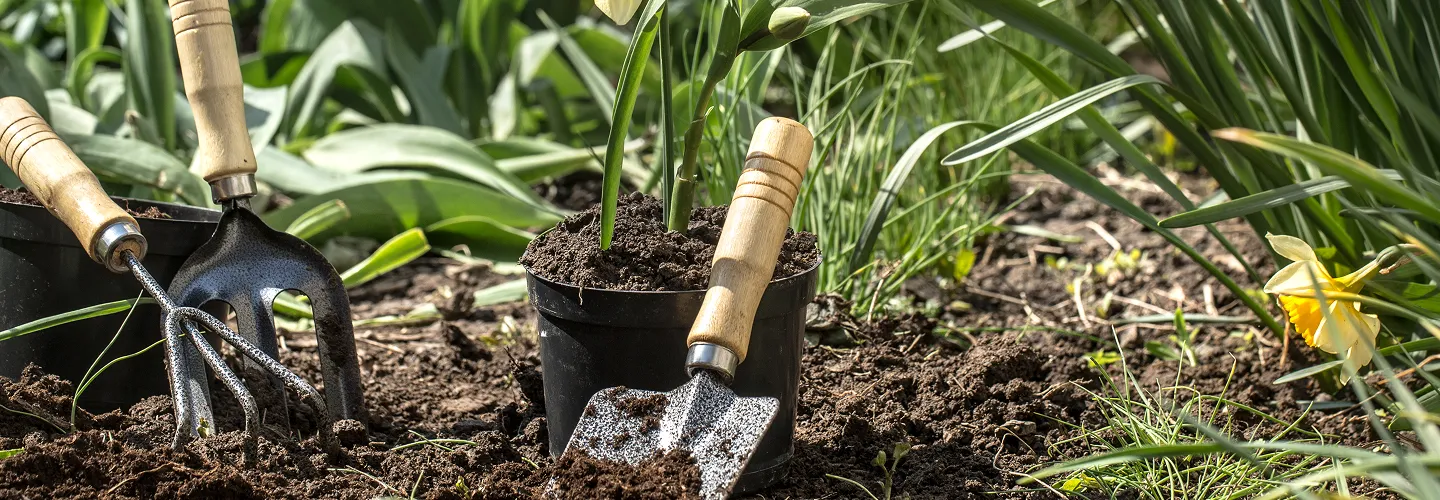
Texas City Artificial Grass Installation Services
Choose our Artificial Grass Installation for a beautiful, low-maintenance lawn that saves water, reduces upkeep, and stays green all year round—perfect for busy Texas City homeowners.
Get a Free QuoteOur Texas City Landscaping & Yard Care Services
When to Schedule Artificial Grass Installation in Texas City, Texas – Seasonal Guide
Choosing the right time for artificial grass installation in Texas City, Texas, can make a significant difference in the longevity and appearance of your new lawn. The region’s subtropical climate means mild winters and hot, humid summers, so most homeowners in neighborhoods like Bayou Oaks and near the Texas City Dike find late winter through early spring to be the optimal window for installation. This period avoids the peak summer heat and allows the turf to settle before heavy use and high temperatures arrive.
Local environmental factors such as the area’s average last frost date in early February, the risk of summer drought, and the prevalence of clay-heavy soils all play a role in determining the best installation schedule. Properties near Carver Park or along Palmer Highway may also experience varying shade coverage and drainage issues, which can impact both preparation and long-term turf performance. For more information on local climate and landscaping considerations, visit the Sudbury municipal resource.
Local Factors to Consider for Artificial Grass Installation in Texas City
- Tree density and shade coverage, especially in established neighborhoods
- Soil type and drainage, with many areas featuring clay-rich soils
- Seasonal precipitation patterns and risk of summer drought
- Terrain and slope, particularly near the Texas City Dike
- Municipal restrictions or HOA guidelines on landscaping
- Proximity to saltwater or high humidity zones
Benefits of Artificial Grass Installation in Texas City
Low Maintenance Landscaping
Year-Round Green Appearance
Water Conservation
Pet-Friendly Surfaces
Allergy Reduction
Durable and Long-Lasting Lawns
Texas City Artificial Grass Installation Types

Residential Lawn Installation
-
Pet-Friendly Turf Solutions
-
Commercial Landscape Turf
-
Playground Artificial Grass
-
Sports Field Turf Installation
-
Rooftop and Balcony Turf
-
Putting Green Installation
Our Artificial Grass Installation Process
Site Evaluation
Ground Preparation
Base Installation
Laying Artificial Grass
Finishing and Inspection
Why Choose Texas City Landscape Services
Texas City Homeowners Trust Us
-
Expert Lawn Maintenance
-
Reliable Irrigation Solutions
-
Comprehensive Tree Care
-
Seasonal Clean-Up Services
-
Competitive Pricing
-
Licensed and Insured Team
-
Satisfaction Guarantee
Soil Preparation and Drainage Considerations for Artificial Grass in Texas City
Artificial grass installation in Texas City requires careful assessment of local soil conditions, which are predominantly Vertisols and Mollisols, including Houston Black clay and sandy coastal soils as identified by the USDA Web Soil Survey. These soils are known for their high clay content, poor drainage, and expansive properties, which can lead to surface instability if not properly addressed. Prior to installation, it is essential to:
- Excavate to a minimum depth of 3-4 inches
- Incorporate a compacted crushed stone base (2-3 inches)
- Ensure a minimum 2% slope away from structures for runoff
- Test soil pH (typically 7.0-8.0 in Texas City) and amend if necessary
Proper drainage prevents water pooling and protects adjacent wetlands and stormwater systems. For technical guidance, consult Texas A&M AgriLife Extension for soil testing and amendment recommendations.
Texas City Ordinances and Permit Requirements for Synthetic Turf Projects
Artificial grass installation is regulated under Texas City’s municipal code, which requires permits for any substantial landscape alteration, especially in new developments or within 50 feet of protected wetlands. The Texas City Building Inspections Department oversees permit applications, which typically require:
- Site plan submission with drainage details
- Permit fee (commonly $50-$100, verify with city)
- 5-10 business day review period
- Compliance with setback requirements (minimum 5 feet from property lines)
Equipment operation is permitted:
- Monday-Friday: 7:00 AM - 7:00 PM
- Saturday: 8:00 AM - 6:00 PM
- Sunday and holidays: Prohibited
Noise levels must not exceed 85 dB at property lines. For permit applications and ordinance details:
Texas City Building Inspections Department
1801 9th Avenue North, Texas City, TX 77590
Phone: (409) 643-5946
Official Website: Texas City Building Inspections Department
Environmental Compliance: Stormwater, Wetlands, and Buffer Zones in Texas City
Artificial turf projects in Texas City must comply with local and state environmental regulations, including the Texas Water Code and federal Clean Water Act. Installations near Moses Lake, wetlands, or drainage channels require:
- 25-foot no-disturbance buffer from wetland edges
- No infill or base material within 50 feet of water bodies
- Prohibition of debris or synthetic turf fragments in storm drains (MS4 compliance)
- Use of permeable backing to support stormwater infiltration
The Texas City Environmental Services Department provides oversight and guidance on compliance:
Texas City Environmental Services
928 5th Avenue North, Texas City, TX 77590
Phone: (409) 643-5946
Official Website: Texas City Environmental Services
For state-level stormwater and environmental permitting, coordinate with:
Texas Commission on Environmental Quality (TCEQ)
12100 Park 35 Circle, Austin, TX 78753
Phone: (512) 239-1000
Official Website: Texas Commission on Environmental Quality
Seasonal Timing and Weather Considerations for Artificial Grass Installation in Texas City
Texas City is located in USDA Hardiness Zone 9a, with a subtropical climate characterized by hot, humid summers and mild winters. The optimal installation window for artificial grass is:
- October through April (average daytime temperatures 60-80°F)
- Avoid June-August due to high heat and humidity
- Schedule work outside of hurricane season peaks (August-September)
Monitor local weather forecasts through the National Weather Service Houston/Galveston Office to avoid installation during heavy rainfall events, which can compromise base compaction and drainage. Soil moisture should be below 20% for effective compaction. For up-to-date climate data and scheduling, consult the National Weather Service.
Professional Standards and Safety Protocols for Synthetic Turf Installation in Texas City
All artificial grass installation in Texas City must adhere to professional safety and equipment standards. Key requirements include:
- Use of commercial-grade compactors and cutting tools
- PPE: ANSI Z87.1 safety glasses, hearing protection for 85+ dB, steel-toed boots
- Maintain 10-foot clearance from overhead utilities
- Traffic cones and signage when working near public streets
- Daily site cleanup to prevent debris entering storm drains
For large-scale or public projects, coordinate with:
Texas City Public Works Department
1700 5th Avenue North, Texas City, TX 77590
Phone: (409) 643-5810
Official Website: Texas City Public Works Department
What Neighborhoods Do We Serve Throughout Texas City, TX?
- Heights: Features mature residential lots with Houston Black clay soils, requiring enhanced drainage and base preparation for stable artificial turf installation.
- Northside: Characterized by newer developments and sandy loam soils, offering improved drainage but necessitating careful compaction to prevent settling.
- Westview: Contains a mix of older homes and commercial properties, with moderate tree cover and proximity to Moses Lake, requiring strict buffer compliance.
- South Point: Located near industrial zones, this area faces soil compaction and runoff challenges, making stormwater management a priority during installation.
- Bayou Vista: Adjacent to wetlands and tidal channels, installations must observe 25-foot wetland buffers and use permeable materials to protect sensitive habitats.
- Central District: Urban core with high-density lots and frequent underground utilities, demanding precise site surveys and adherence to city permit requirements.
- Lago Mar: Newer subdivision with HOA guidelines, larger lots, and variable fill soils, requiring coordination with both city and association standards for artificial turf projects.