
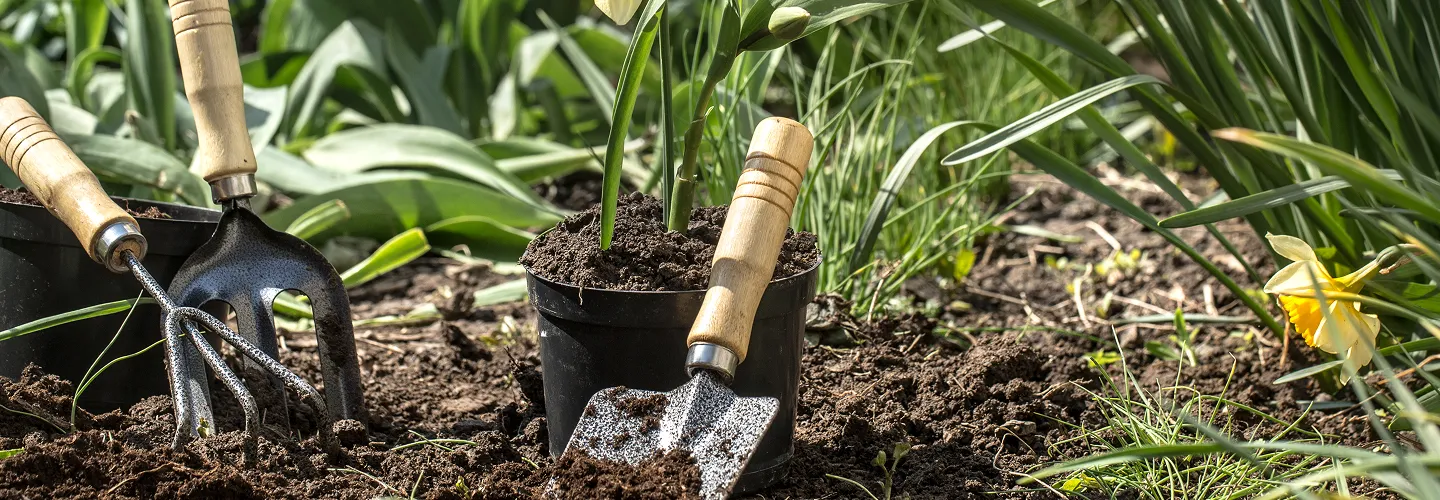
Texas City Flower Planting Services
Choose our flower planting services for vibrant, expertly arranged blooms that thrive in Texas City’s unique climate—bringing lasting beauty and curb appeal to your home.
Get a Free QuoteOur Texas City Landscaping & Yard Care Services
When to Schedule Flower Planting in Texas City, Texas – Seasonal Guide
In Texas City, the best times for flower planting are typically early spring and late fall, when temperatures are moderate and rainfall is more predictable. The local climate, influenced by proximity to Galveston Bay and the Gulf Coast, means that winters are mild and frosts are rare but possible, especially in neighborhoods near Bay Street Park or the Mainland City Centre. Monitoring the last expected frost date—usually in late February—helps ensure young plants aren’t damaged by unexpected cold snaps.
Texas City’s unique landscape features, such as sandy soils in the Bayou Brae area and higher humidity levels near Moses Lake, play a significant role in determining planting schedules. Drought risk during the peak summer months and the need for shade coverage in areas like Carver Park should also be considered. For more information on local environmental guidelines, visit the official city resource.
Local Factors to Consider for Flower Planting in Texas City
- Proximity to the coast and salt exposure
- Soil type (sandy vs. clay-heavy)
- Average humidity and rainfall patterns
- Tree density and available shade
- Neighborhood-specific microclimates (e.g., near Bay Street Park)
- Municipal watering restrictions
- Risk of late frosts or early heatwaves
- Terrain and drainage conditions
Benefits of Flower Planting in Texas City
Expert Local Knowledge
Customized Landscape Designs
Seasonal Plant Selection
Professional Installation Services
Enhanced Curb Appeal
Sustainable Landscaping Solutions
Texas City Flower Planting Types

Annual Flower Beds
Colorful annuals provide vibrant seasonal displays in Texas landscapes.
-
Perennial Gardens
Perennials offer long-lasting blooms and return year after year with minimal maintenance.
-
Native Wildflower Plantings
Native wildflowers thrive in Texas climates and support local pollinators.
-
Drought-Tolerant Flower Beds
Drought-resistant flowers conserve water and flourish in hot Texas summers.
-
Shade Garden Flowers
Shade-loving flowers brighten up areas under trees or on the north side of buildings.
-
Butterfly and Pollinator Gardens
Specialized plantings attract butterflies, bees, and other beneficial insects.
-
Container Flower Arrangements
Versatile container gardens add color to patios, entryways, and small spaces.
Our Flower Planting Process
Site Evaluation
Soil Preparation
Plant Selection
Careful Planting
Watering and Mulching
Why Choose Texas City Landscape Services
Texas City Homeowners Trust Us
-
Expert Lawn Maintenance
-
Reliable Irrigation Solutions
-
Comprehensive Tree Care
-
Seasonal Clean-Up Services
-
Competitive Pricing
-
Licensed and Insured Team
-
Satisfaction Guarantee
Soil Series and Drainage Considerations for Flower Planting in Texas City
Texas City’s predominant soils, including the Lake Charles clay and Midland fine sandy loam, present unique challenges for flower planting due to their heavy clay content and variable drainage. These soils typically exhibit pH values ranging from 7.0 to 8.0 and can be poorly drained, especially in low-lying areas near Moses Lake and the Texas City Dike. Before planting, it is recommended to conduct a soil test through the Texas A&M AgriLife Extension to determine nutrient levels and pH. Best practices include:
- Incorporating 2-3 inches of compost to a 6-inch depth
- Applying gypsum to improve clay structure
- Using raised beds in areas with persistent standing water
- Maintaining a 25-foot buffer from wetlands and drainage ditches Research local soil series using the USDA Web Soil Survey for site-specific recommendations.
Seasonal Timing and Climate Zone Guidance for Texas City Flower Planting
Texas City is located in USDA Hardiness Zone 9a, with average annual minimum temperatures of 20-25°F. The optimal window for planting most annual and perennial flowers is from February 15 to April 15, when soil temperatures reach 60°F. Fall planting of hardy perennials is best completed by October 31 to allow root establishment before winter. The National Weather Service Houston/Galveston Office provides up-to-date soil temperature and rainfall forecasts. Key timing guidelines include:
- Spring planting: February 15 – April 15 (soil temp ≥ 60°F)
- Fall planting: September 15 – October 31
- Avoid planting during June-August due to heat stress
- Monitor for late frosts, especially in coastal microclimates
Native and Salt-Tolerant Flower Species Selection for Texas City’s Coastal Environment
Given Texas City’s proximity to Galveston Bay and exposure to salt spray, selecting appropriate flower species is critical for long-term success. Recommended species for full sun and salt tolerance include:
- Black-eyed Susan (Rudbeckia hirta)
- Gulf Coast penstemon (Penstemon tenuis)
- Blanket flower (Gaillardia pulchella)
- Seaside goldenrod (Solidago sempervirens)
- Daylily (Hemerocallis spp.) For partial shade, consider coral bean (Erythrina herbacea) and Turk’s cap (Malvaviscus arboreus). Plant spacing should be 12-18 inches for annuals and 18-24 inches for perennials to ensure adequate airflow and reduce disease risk. Consult the USDA Plant Hardiness Zone Map for additional guidance.
Municipal Regulations and Environmental Compliance for Flower Planting in Texas City
Flower planting activities in Texas City must comply with local ordinances regarding equipment operation, buffer zones, and stormwater management. Equipment operation is permitted:
- Monday-Friday: 7:00 AM – 7:00 PM
- Saturday: 8:00 AM – 6:00 PM
- Sunday and holidays: Prohibited A 25-foot no-disturbance buffer is required from wetlands and drainage channels. All plant debris must be disposed of through the city’s weekly yard waste collection (Thursdays, April–November) using biodegradable bags or 32-gallon bins. The Texas City Public Works Department oversees compliance with these requirements.
Texas City Public Works Department
928 5th Avenue North, Texas City, TX 77590
Phone: (409) 643-5810
Official Website: Texas City Public Works Department
Stormwater discharges must not contain soil, mulch, or plant debris, in accordance with the Texas Water Code and Clean Water Act. The city operates under an MS4 permit regulated by the Texas Commission on Environmental Quality.
Professional Standards and Safety Protocols for Flower Planting Crews in Texas City
All flower planting crews in Texas City are required to adhere to professional safety standards and municipal equipment regulations. Personal protective equipment (PPE) must include:
- ANSI Z87.1 safety glasses
- Hearing protection for equipment exceeding 85 dB
- Steel-toed boots with non-slip soles
- Cut-resistant gloves for planting and mulching Equipment must be commercial-grade and maintained with blade sharpening every 20-25 hours of use. When working within 15 feet of public roads or utilities, high-visibility vests and traffic cones are mandatory. The Texas City Building Inspections Department enforces compliance with safety and construction codes.
Texas City Building Inspections Department
928 5th Avenue North, Texas City, TX 77590
Phone: (409) 643-5946
Official Website: Texas City Building Inspections Department
What Neighborhoods Do We Serve Throughout Texas City, TX?
- Heights: Characterized by mature landscaping and heavy clay soils, requiring soil amendment and raised beds for optimal drainage during flower planting.
- Northside: Features newer developments with compacted fill soils and moderate drainage; attention to soil aeration and organic matter is essential.
- South Point: Proximity to Moses Lake and low-lying areas increases risk of flooding and salt exposure, making salt-tolerant species and elevated beds necessary.
- Bayou Vista: Waterfront properties with sandy loam soils and high water tables; plant selection must account for periodic inundation and salt spray.
- Westland Terrace: Larger lots with mixed soil types and established trees; flower planting must consider root competition and shade patterns.
- Mainland Park: Dense residential area with narrow lots and limited access, requiring careful planning for equipment staging and debris removal.
- Central City: Historic district with older homes, variable soil conditions, and stricter zoning requirements for landscape modifications.