
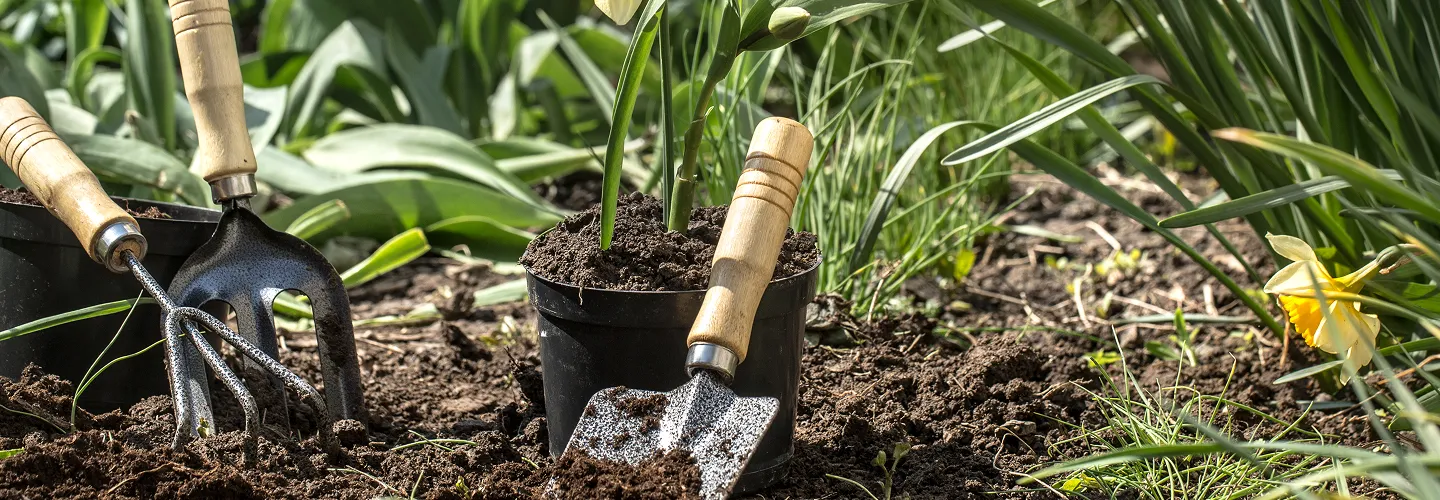
Texas City Weeding Services
Choose our expert weeding services for a healthier, more beautiful lawn—our experienced team uses proven techniques to eliminate weeds and keep your landscape thriving all season long.
Get a Free QuoteOur Texas City Landscaping & Yard Care Services
When to Schedule Weeding in Texas City, Texas – Seasonal Guide
In Texas City, the best times to schedule weeding are typically in early spring and late fall, when temperatures are moderate and weed growth is most active. The local climate, characterized by warm, humid summers and mild winters, means that weeds can thrive nearly year-round, but targeting them before they set seed in spring or after summer rains in the fall yields the best results. Neighborhoods near Bay Street Park or the Moses Lake area may experience different weed pressures due to varying soil types and shade from mature trees, so it’s important to tailor your weeding schedule to your specific landscape.
Local environmental factors such as the last frost date (usually late February), periods of drought risk in midsummer, and the heavy clay soils common in areas like Mainland City Centre all play a role in determining the optimal timing for weeding. Additionally, municipal guidelines and seasonal precipitation patterns can affect when and how often you should address weed growth. For more information on local regulations and best practices, visit the official city resource.
Local Factors to Consider for Weeding in Texas City
- Tree density and shade coverage, especially in older neighborhoods
- Soil type (sandy near the coast, clay inland)
- Seasonal precipitation and drought risk
- Proximity to water features like Moses Lake
- Municipal restrictions or guidelines on herbicide use
- Terrain and drainage patterns
Benefits of Weeding in Texas City
Improved Curb Appeal
Healthier Lawns and Gardens
Reduced Pest Infestations
Enhanced Plant Growth
Professional and Reliable Service
Time and Effort Savings

Texas City Weeding Types

Hand Weeding
-
Mulch Application
-
Pre-Emergent Herbicide Treatment
-
Post-Emergent Weed Control
-
Mechanical Weeding
-
Selective Herbicide Application
-
Flame Weeding
Our Weeding Process
Site Evaluation
Weed Identification
Targeted Removal
Soil Treatment
Final Inspection
Why Choose Texas City Landscape Services
Texas City Homeowners Trust Us
-
Expert Lawn Maintenance
-
Reliable Irrigation Solutions
-
Comprehensive Tree Care
-
Seasonal Clean-Up Services
-
Competitive Pricing
-
Licensed and Insured Team
-
Satisfaction Guarantee
Texas City’s Predominant Soil Series and Weeding Implications
Weeding practices in Texas City must account for the region’s dominant soil types, including the Lake Charles clay and Midland fine sandy loam, as identified by the USDA Web Soil Survey. These soils are characterized by moderate to poor drainage and a pH range typically between 6.5 and 7.8, which can influence weed species prevalence and removal difficulty. For effective weed management, mechanical extraction is recommended to a depth of 4-6 inches to address deep-rooted species common in clay-rich areas. Soil compaction, especially in developed neighborhoods, may require periodic aeration. Residents are encouraged to conduct soil testing through Texas A&M AgriLife Extension (test cost: $15-25) to determine amendment needs. Incorporate 2-3 inches of compost tilled to a 6-inch depth to improve structure and reduce weed pressure.
Texas City Public Works Department
928 5th Avenue North, Texas City, TX 77590
Phone: (409) 643-5810
Official Website: Texas City Public Works Department
Seasonal Weeding Timing and Climate Considerations for Texas City
Texas City’s subtropical climate (USDA Hardiness Zone 9a) dictates optimal weeding windows. The most effective periods for manual and mechanical weeding are late February through early May and again from late September to early November, when soil temperatures range from 60°F to 75°F and weed growth is most active. Avoid weeding during peak summer (June-August), as high temperatures and drought stress can damage desirable plants and reduce efficacy. Monitor local weather forecasts via the National Weather Service Houston/Galveston Office to plan around rainfall events, which can soften soil and facilitate root removal. For persistent perennial weeds, schedule follow-up removal every 4-6 weeks during the growing season.
- Spring weeding: February 20 – May 10
- Fall weeding: September 20 – November 10
- Avoid: June-August (heat stress period)
Municipal Yard Waste Collection and Weeding Debris Disposal in Texas City
Proper disposal of weeding debris is regulated by Texas City’s municipal waste program. Yard waste, including pulled weeds, is collected weekly on Thursdays from April through November. Residents must use biodegradable paper bags or reusable bins (32-gallon maximum); plastic bags and branches over 4 inches in diameter are prohibited. Place containers curbside by 7:00 AM on collection day. For large volumes, the city transfer station accepts yard waste Monday-Friday, 8:00 AM – 4:00 PM. Improper disposal, such as dumping in storm drains, is a violation of the city’s MS4 permit under the Clean Water Act and may result in fines.
- Weekly pickup: Thursday, April-November
- Accepted: Weeds, grass, brush under 4 feet
- Prohibited: Plastic bags, large branches
Texas City Environmental Services
928 5th Avenue North, Texas City, TX 77590
Phone: (409) 643-5946
Official Website: Texas City Environmental Services
Environmental Compliance: Buffer Zones and Stormwater Protection in Texas City
Weeding activities near Texas City’s wetlands, drainage ditches, and the Moses Lake shoreline must comply with local and state environmental regulations. Maintain a minimum 25-foot no-disturbance buffer from all mapped wetlands and water bodies to prevent sediment and nutrient runoff. The Texas Commission on Environmental Quality (TCEQ) enforces MS4 stormwater requirements, prohibiting yard waste and soil from entering storm drains. For properties adjacent to protected areas, consult the city’s zoning maps and request guidance from the Environmental Services Department. Application of herbicides within 50 feet of water bodies is restricted under the Texas Water Code.
- 25-foot wetland buffer required
- No yard waste in storm drains
- Herbicide use restricted near water
Texas City Zoning Commission
1801 9th Avenue North, Texas City, TX 77590
Phone: (409) 643-5700
Official Website: Texas City Zoning Commission
Texas Commission on Environmental Quality
12100 Park 35 Circle, Austin, TX 78753
Phone: (512) 239-1000
Official Website: Texas Commission on Environmental Quality
Equipment Operation Hours and Safety Standards for Weeding in Texas City
Texas City enforces specific noise and equipment operation ordinances for outdoor maintenance, including weeding. Permitted hours for powered equipment are:
- Monday-Friday: 7:00 AM – 7:00 PM
- Saturday: 8:00 AM – 6:00 PM
- Sunday and holidays: Prohibited Operators must use commercial-grade trimmers and maintain mufflers to keep noise below 85 decibels at property lines. All personnel are required to wear ANSI Z87.1 safety glasses, hearing protection for equipment exceeding 85 dB, and gloves rated for cut resistance. Maintain a 15-foot clearance from overhead utilities and public sidewalks during operation. Violations of these standards may result in code enforcement action.
Texas City Building Inspections Department
928 5th Avenue North, Texas City, TX 77590
Phone: (409) 643-5760
Official Website: Texas City Building Inspections Department
What Neighborhoods Do We Serve Throughout Texas City, TX?
- Heights: Characterized by mature landscaping and heavy clay soils, requiring deep-root weeding and careful debris management due to narrow streets and older infrastructure.
- Northside: Features newer developments with Midland fine sandy loam, offering better drainage but increased weed pressure in open lots and along drainage ditches.
- Westview: Contains a mix of residential and commercial properties, with compacted soils and frequent utility easements necessitating careful equipment use and adherence to setback requirements.
- Bayou Vista: Proximity to Moses Lake and tidal wetlands imposes strict buffer zone compliance and limits on herbicide use to protect sensitive aquatic habitats.
- South Point: Large lot sizes and open spaces increase the volume of weeding debris, making adherence to municipal collection schedules and container requirements essential.
- Central District: Urban density and limited green space result in higher soil compaction and the need for regular soil amendment and aeration to support effective weed control.
- Lago Mar: Newer subdivision with HOA landscaping standards, requiring compliance with both city ordinances and community-specific maintenance guidelines.